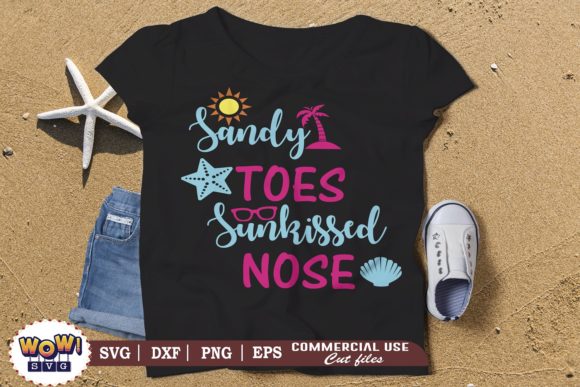
Sandy Toes Sunkissed Nose: A Designer's Review
As a designer who spends more time in front of embroidery hoops than computers, I approach every new digital asset with a mix of excitement and skepticism. You want to find that perfect design for your next Etsy listing or a personalized gift for a client, but you also need to know if it will actually hold up on the fabric. That is exactly why I decided to put Sandy Toes Sunkissed Nose through its paces before recommending it for any commercial project. This isn't just about looking at a pretty image; it is about understanding how the lines translate into thread and what kind of finished product you can realistically expect.
The First Impression: Mood and Visual Personality
When you first open the file for Sandy Toes Sunkissed Nose, the immediate feeling is one of warmth and nostalgia. The title alone evokes a specific summer memory: the heat of the sun, the grit of sand between toes, and that distinct pink hue of a nose after too much time outside. Visually, the design feels relaxed and organic rather than rigid or overly geometric. It carries a playful energy that fits perfectly within the Illustrations category, specifically targeting those who love coastal themes.
The layout strikes a balance between being cute and being wearable. It does not feel like a clip-art sticker slapped onto a canvas. Instead, the shapes flow together in a way that suggests movement, as if the subject is just walking out of the water. For a designer, this is crucial because it means the design has a natural visual weight. It won't get lost on a large tote bag, nor will it look overwhelming on a small baby onesie. The "sunkissed" element implies a softness that translates well into softer stitch types, making it an ideal candidate for machine embroidery design projects where texture matters.
Real-World Application: From Screen to Stitch
Let me take you through a real scenario I ran through my mind while evaluating this file. Imagine you are an Etsy seller preparing for the summer season. You have a stack of plain canvas tote bags and some soft cotton aprons ready to be transformed into boutique products. You decide to use Sandy Toes Sunkissed Nose to create a custom line of beach-themed accessories.
On a tote bag, the design would shine. The open spaces in the illustration allow for plenty of breathing room, which prevents the embroidery from feeling cramped. When stitched onto the canvas, the contrast between the thread and the fabric would create a tactile, inviting surface. Customers browsing online might see a flat image, but when they receive the physical item, the raised texture of the stitches adds value. It signals quality craftsmanship. Similarly, on a sweatshirt or a hoodie, this design acts as a focal point without dominating the garment. It feels personal, almost like a signature mark of a summer vacation.
I also considered using this for baby items. The theme of sandy toes is universally loved by parents. Embroidering this on a bib or a burp cloth would make a thoughtful personalized gift. However, the size of the design relative to the garment becomes critical here. If you scale it down too much for a tiny hat, you risk losing the character of the "nose." But placed correctly on a larger baby blanket or a nursery pillow cover, it creates a cozy, storybook atmosphere that buyers are willing to pay a premium for.
Where Caution is Required
Even a beautiful design has its limitations. As an experienced reviewer, I must highlight where Sandy Toes Sunkissed Nose might struggle. First, consider the hoop size. If you are working with a very small hoop, such as one used for cufflinks or tiny patches, the details might become muddy. The curves of the toes and the shape of the nose need enough space to be defined by individual stitches. If the design is compressed, the satin stitch edges might blur together, ruining the crisp look you want.
Fabric choice is another area requiring careful attention. While this design works beautifully on stable fabrics like canvas, denim, or thick cotton, it could be risky on stretchy materials like jersey knit t-shirts unless you use excellent stabilizer techniques. Without proper support, the stitching could pucker, distorting the happy expression of the design. Similarly, textured fabrics like heavy terry cloth or boucle can hide the finer details of the embroidery. On these surfaces, the design might look less defined than intended.
Dark fabrics present their own challenge. If the original file relies on white or light threads to define the highlights of the "sunkissed" look, you may need to add a backing layer or change the thread palette entirely to ensure visibility. Also, avoid placing this design on curved surfaces like baseball caps unless you have a specialized cap frame and experience with 3D embroidery. The perspective shift on a curved brim can distort the proportions of the feet and nose, making them look unnatural.
Impact on Brand and Customer Trust
In the world of handmade goods, the quality of your embroidery speaks directly to your brand reputation. A design like Sandy Toes Sunkissed Nose, when executed well, elevates the perceived value of your product. It tells the customer that you care about the aesthetic and the finish. It is not just a logo; it is a piece of art that connects emotionally with the buyer. This emotional connection is vital for Etsy sellers and small shop owners trying to stand out in a crowded market.
Furthermore, the clarity of the design affects customer trust. If the stitches are dense and clean, customers assume the rest of the business is professional and reliable. Conversely, if the design is too complex for the machine or the fabric, resulting in loose threads or skipped stitches, it can lead to returns and negative reviews. Therefore, understanding the stitch density and planning your production process is essential. This design encourages a sense of joy and relaxation, which aligns perfectly with brands focused on lifestyle, wellness, and summer vibes.
Practical Designer Notes for Success
Before you hit the "start" button on your embroidery machine, there are several steps you should take to ensure success. Always test the design on scrap fabric first. This allows you to check the thread color contrast and see how the fill stitch behaves on your specific material. Do not skip this step, even if you have used similar designs before.
Review the file settings carefully. Check the hoop size requirements and ensure your machine is set up correctly. If the design includes tiny lettering or intricate corners, inspect them closely under good lighting. Sometimes, a detail looks fine on a screen but disappears once stitched. It is also wise to test the design in black and white mockups to verify that the composition holds up without relying on color to carry the image.
If you plan to sell finished items or digital files, confirm the licensing terms immediately. Many designers offer different licenses for personal use versus commercial embroidery projects. Using a design without the proper rights can lead to legal issues down the road. Additionally, ensure you are using the correct stabilizer for the fabric weight. A lightweight tear-away might work for a tea towel, but a cut-away stabilizer is often necessary for apparel that will undergo frequent washing.
Finally, compare the design against light and dark backgrounds to see how versatile it is. Does it pop on a navy blue shirt? Does it blend too much on a pastel dress? By answering these questions, you can maximize the potential of Sandy Toes Sunkissed Nose as a versatile asset in your creative toolkit. Whether you are creating a single embroidered patch for a friend or building a full collection of custom apparel, taking the time to evaluate the design thoroughly pays off in the final product.