Hair Bow Cards: A Graphic Designer's Review for Crafts & Graphics
As a brand designer who has spent years refining visual identities for local boutiques and handmade businesses, I recently had the opportunity to evaluate a specific Hair Bow Cards asset. My goal was not merely to look at a cute image, but to assess its viability as a core component of a real-world small business branding project. The first impression of this graphic design asset is undeniably playful yet structured. It immediately evokes a mood that is both friendly and decorative, suggesting a brand personality that values craftsmanship and attention to detail. This particular style feels best suited for feminine, boutique, or seasonal campaigns where the emotional connection with the customer is paramount.
In my experience, the right visual element can transform a generic product into a memorable brand story. When I first opened the file, the lines were clean and the composition felt balanced. It does not scream for attention in a chaotic way; rather, it invites the viewer in with a soft, welcoming aesthetic. This makes it an excellent candidate for businesses that want to convey warmth and care, such as a children's product brand, a handmade soap business, or a florist looking to add a touch of elegance to their arrangements. However, if your brand leans heavily toward ultra-minimalist luxury or corporate seriousness, you might find this asset too whimsical for your primary logo design. For those seeking a modern design that balances charm with professionalism, this could be a perfect fit.
From Digital File to Physical Product Presentation
The true test of any digital product lies in its application across various marketing visuals and physical touchpoints. I imagine using these graphics within a cohesive strategy for a local bakery or a candle brand. In this scenario, the Hair Bow Cards would serve as more than just a decoration; they would act as a unifying thread for the brand identity. You could utilize them on hang tags attached to products, creating a tactile experience that elevates the perceived value of the item. The asset works beautifully as a decorative brand element on packaging accents, turning a simple box into a curated gift experience.
For social media managers and creative entrepreneurs, the versatility of this clipart is significant. It can be adapted into hero graphics for website banners, promotional ads, and even editorial design elements for blog posts about product launches. By integrating this illustration into your visual hierarchy, you create a clearer path for the customer's eye, ensuring that your key messages stand out while maintaining a polished marketing aesthetic. Whether you are designing printable inserts for thank-you notes or creating dynamic social media campaign graphics, this asset provides a consistent visual language that builds stronger emotional connections with your audience.
Strategic Applications for Local Business Branding
When we talk about commercial design, the context is everything. I see this asset thriving in environments where a personal touch is required. For instance, a handmade seller could use these designs on price lists or flyers to maintain a cohesive look across all their materials. The ability to scale this vector-friendly graphic means it can function effectively as a large poster for a pop-up shop or shrink down to become a tiny sticker on a product label without losing its integrity.
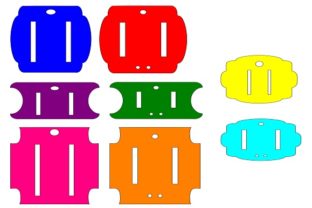
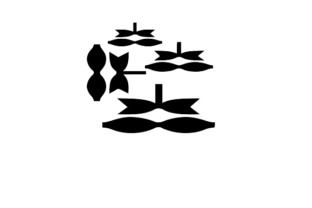
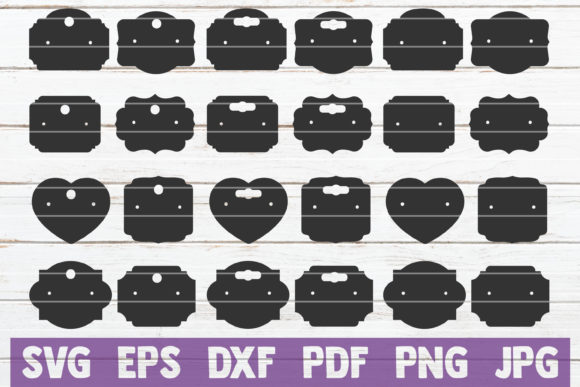
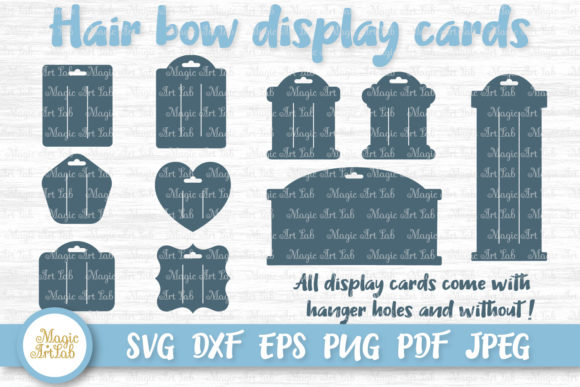
The compatibility with cutting machines is a crucial factor for many users in the crafts community. Hair bow display cards can be used with Cricut and Silhouette Cameo cutting machines, as well as other cutting machines that can read formats that are included in the listing. This technical flexibility allows designers to move seamlessly from digital mockups to physical production. Imagine creating a custom set of stickers for a skincare brand or crafting unique menu graphics for a coffee shop that features a hand-drawn flair. The asset supports the creation of product mockups that look authentic, helping sellers visualize how their final goods will appear on the shelf or in a customer's hands.
Navigating Design Constraints and Best Practices
While the potential is high, every graphic design asset comes with limitations that must be respected to maintain professional branding. There are specific scenarios where this asset should be used with caution. For example, in formal corporate branding or for very small labels where detail might get lost, the intricate nature of the bows could become cluttered. If your product packaging already includes ingredient-heavy layouts or legal information areas, adding another decorative layer might compete with important text, disrupting the visual hierarchy.
Luxury minimalist brands often rely on negative space and stark typography; in such cases, this decorative illustration might feel too busy. Similarly, placing this asset on low-contrast backgrounds can reduce its visibility and impact. To ensure success, I recommend testing the design alongside different font styles. Does it pair well with a serif font for a classic look? How does it sit next to a script font for a romantic vibe? Or perhaps a bold sans-serif for a modern twist? Experimenting with these combinations will help you determine the most harmonious pairing for your specific brand voice.
Essential Pre-Launch Checklist for Designers
Before committing this asset to a client's project or a full-scale product line, there are several practical steps a professional designer must take. First, always test it on real packaging mockups to see how it interacts with different materials like kraft paper, glossy cardstock, or fabric. Check the black and white usage to ensure the design retains its shape when colors are removed. Previewing the asset on small labels is also critical; what looks great on a screen may become indistinguishable when printed at 0.5 inches.
Furthermore, inspect the SVG or vector editability to ensure you have full control over colors and shapes. Review the PNG transparency to confirm there are no unwanted artifacts around the edges. Comparing the design with competitor packaging can help you gauge if it stands out appropriately in the market. Finally, and most importantly, confirm the commercial license before using it for client work, business branding, or physical product sales. Understanding the terms of the creative marketplace listing ensures you remain compliant and can confidently deliver a professional result.
In conclusion, this Hair Bow Cards asset offers a versatile tool for enhancing small business branding and product presentation. When used thoughtfully, it can strengthen your first impression, improve product recognition, and foster greater customer trust. Whether you are a boutique owner, a food business operator, or a packaging designer, integrating this graphic into your workflow can elevate your brand from ordinary to exceptional. By respecting the design constraints and leveraging its strengths, you can create marketing visuals that are not only beautiful but also effective in driving engagement and sales.